


Double Trouble? Coast Guard Rescues Two from Carnival Ships in One Day!

Cruising is generally one of the safest ways to travel the world, but when medical emergencies happen at sea, the logistics become incredibly complex. On March 20, 2026, the U.S. Coast Guard (USCG) Air Station New Orleans had an exceptionally busy shift, coordinating two separate medical evacuations from two different Carnival Cruise Line vessels within a matter of hours. These events serve as a powerful reminder of the sophisticated safety net that exists for the cruise community and the precision required to execute rescues in the middle of the ocean.
The First Call: Carnival Jubilee Near Galveston
The day began with a high-stakes request from the Carnival Jubilee. This massive Excel-class ship was navigating its way back toward its homeport in Galveston, Texas, wrapping up a seven-night Western Caribbean itinerary. A 53-year-old male passenger began experiencing a medical condition that the ship’s onboard medical team determined required specialized hospital care beyond what can be provided in a cruise ship infirmary.
When a situation like this arises, the ship’s captain and medical senior officer communicate directly with the Coast Guard. A flight surgeon evaluates the patient’s condition remotely to confirm that a medical evacuation (medevac) is the most appropriate course of action. Once cleared, an MH-60 Jayhawk helicopter was dispatched from New Orleans to meet the ship.
To facilitate a safe hoist, the Carnival Jubilee had to briefly divert from its primary heading. This maneuver creates a stable wind envelope for the helicopter pilots and the rescue swimmer. Despite the diversion, the ship’s crew managed the operation so efficiently that the Jubilee remained on schedule for its planned arrival and subsequent voyage. This level of coordination is a testament to the training of the Carnival crew and the USCG pilots.
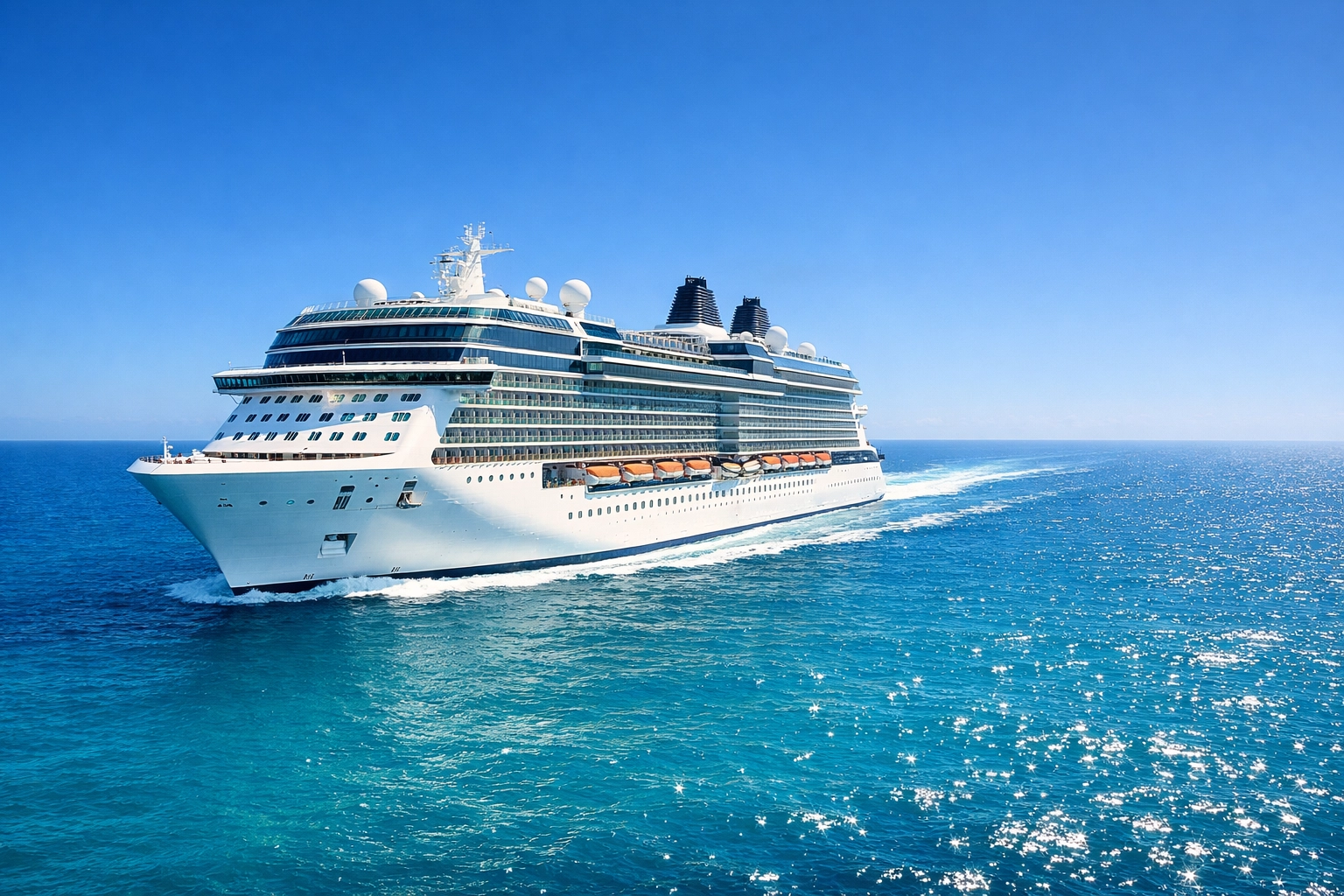
Suggested image: A distant view of a large modern cruise ship on a calm blue ocean under a clear sky.
The Second Call: A Nighttime Rescue on Carnival Valor
As the sun went down on March 20, the Coast Guard was called into action once again. This time, the request came from the Carnival Valor, a Conquest-class ship operating out of New Orleans. The Valor was on a five-night Western Caribbean cruise when a 27-year-old male passenger required urgent medical attention.
Nighttime rescues are significantly more challenging than daytime operations. The darkness requires the use of advanced sensors and high-intensity searchlights, and the pilots must contend with reduced depth perception while hovering over a moving vessel. Around 10:00 p.m., the USCG helicopter arrived at the Carnival Valor’s position.
Like the Jubilee earlier in the day, the Valor turned back toward the coast to shorten the flight distance for the helicopter, ensuring the patient reached a trauma center as quickly as possible. The rescue team successfully hoisted the young man from the deck and transported him to the University Medical Center in New Orleans, where the first patient had also been taken.
The Logistics of Cruise Safety and Medevacs
While many passengers enjoy the amenities of a ship, few realize that every major cruise vessel is essentially a floating city with its own urgent care center. However, these facilities are designed to stabilize patients, not to perform long-term intensive care or complex surgeries. When a patient’s needs exceed the ship's capabilities, the USCG becomes the primary lifeline.
The process of a medevac is an essential part of cruise news because it highlights the importance of the "Cruise Contract." When you book a trip, you agree to certain terms regarding safety and deviations. If a ship needs to turn around or change speed to save a life, the captain has full authority to do so. In most cases, these diversions are handled so smoothly that many passengers on the opposite side of the ship might not even notice the helicopter overhead.
If you are curious about how these technical operations affect the broader industry, you can check out our recent post on the latest cruise news updates.
Why Travel Insurance is Essential for Every Cruiser
One aspect of these rescues that often goes unmentioned is the cost. While the U.S. Coast Guard does not charge for search and rescue operations, the subsequent hospital stays and the potential logistics of getting home after being dropped off in a different city can be financially devastating.
A medevac can easily cost tens of thousands of dollars if conducted by private medical transport in foreign waters. This is why we always emphasize the importance of comprehensive travel insurance. Whether you are sailing on the Carnival Jubilee or taking a shorter hop on the Valor, having coverage for medical emergencies and evacuations is a pragmatic move for any traveler.
For those planning their next adventure and looking for the best way to secure their trip, we recommend visiting Trips That Rock for expert booking advice and guidance on navigating the complexities of cruise travel.
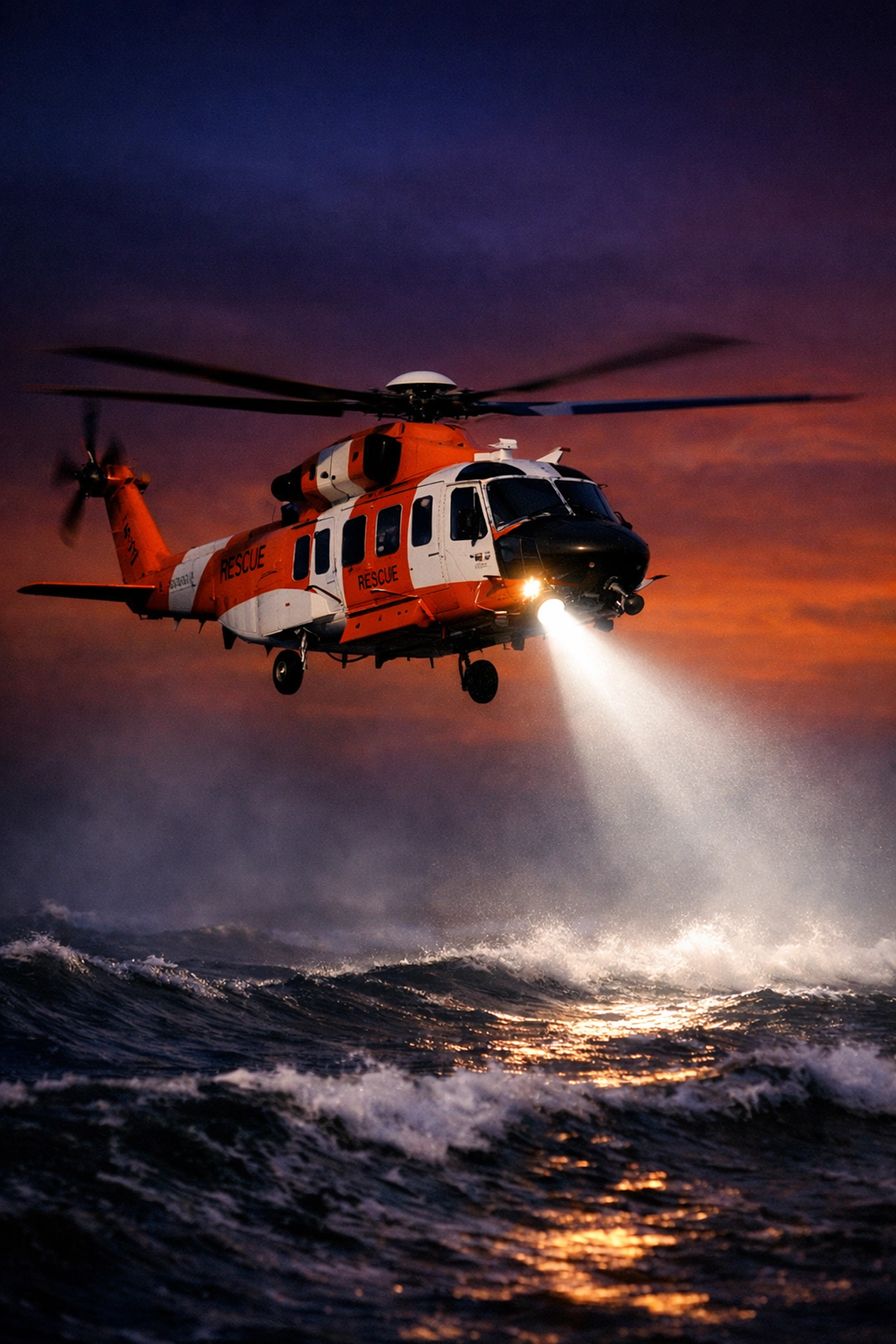
Suggested image: A rescue helicopter flying over the open sea at sunset, no people visible.
Shore Excursions and Safety
When your ship docks in ports like Cozumel or Costa Maya: common stops for both the Jubilee and the Valor: it is important to choose excursions that prioritize safety and reliability. Utilizing reputable platforms for your port activities ensures that you are with licensed operators who understand the ship's schedule.
If you are looking to book your next adventure on land, we suggest using GetYourGuide to find the best-rated tours in the Western Caribbean and beyond.
The Outcome and the Community Response
The double rescue on March 20, 2026, was an unusual occurrence due to the timing, but it was a perfect demonstration of the efficiency of the U.S. Coast Guard. Both the 53-year-old and the 27-year-old passengers were delivered to medical professionals in New Orleans in record time.
The cruise community has been quick to offer well-wishes to the families involved. It is moments like these that bring the ROCKIN' the BOAT crew together, reminding us that while we are there for the fun and the sun, the safety and well-being of our fellow cruisers always come first.
For more information on how ships handle changes in itineraries or technical issues, you might find our article on fuel surcharges and cruise contracts an interesting read. It explains how the fine print in your booking protects both the passenger and the cruise line during unexpected events.
Final Thoughts on Cruise Safety
Seeing the orange-and-white Coast Guard helicopters in action is a sobering but reassuring sight. It proves that even when you are miles away from the nearest coastline, help is never out of reach. Carnival Cruise Line has a long history of working closely with the Coast Guard to ensure that medical emergencies are handled with the highest level of professionalism.
As you plan your 2026 and 2027 sailings, do so with the confidence that the industry is better equipped than ever to handle the unexpected. Whether you are eyeing a new ship like the Norwegian Luna or sticking with the favorites in the Carnival fleet, the commitment to passenger safety remains the top priority.
We will continue to monitor the status of the passengers and provide updates if more information becomes available. Until then, stay safe and keep your eyes on the horizon.
Keep Rockin' The Boat! 🤘🚢
Comments