


Fuel Surcharges are Back? 😱 Here’s What Cruisers Need to Know

Just when you thought it was safe to close your checkbook after paying off your final balance, the cruise industry has thrown a curveball. If you’ve been keeping an eye on the news, you might have seen a word that hasn't been part of our daily cruise vocabulary for nearly two decades: surcharges.
At ROCKIN' the BOAT, we believe that the only thing you should be worrying about is whether to hit the Lido deck for a burger or the main dining room for lobster. However, recent developments in global fuel prices have forced some cruise lines to dust off the fine print in their guest contracts.
If you are planning a trip in 2026, it is essential to understand what these fees are, why they are happening, and how you can safeguard your wallet.
The Breaking News: StarCruises Leads the Way
The "warning shot" for the industry came recently from the Asian market. StarCruises and Dream Cruises (both under the Resorts World Cruises umbrella) officially implemented fuel surcharges for new bookings.
This isn't just a couple of dollars, either. Depending on the ship and the itinerary, guests are seeing charges ranging from $11 to a staggering $25 per guest, per night. For a family of four on a week-long cruise, that is an unexpected expense of several hundred dollars added to the onboard account.
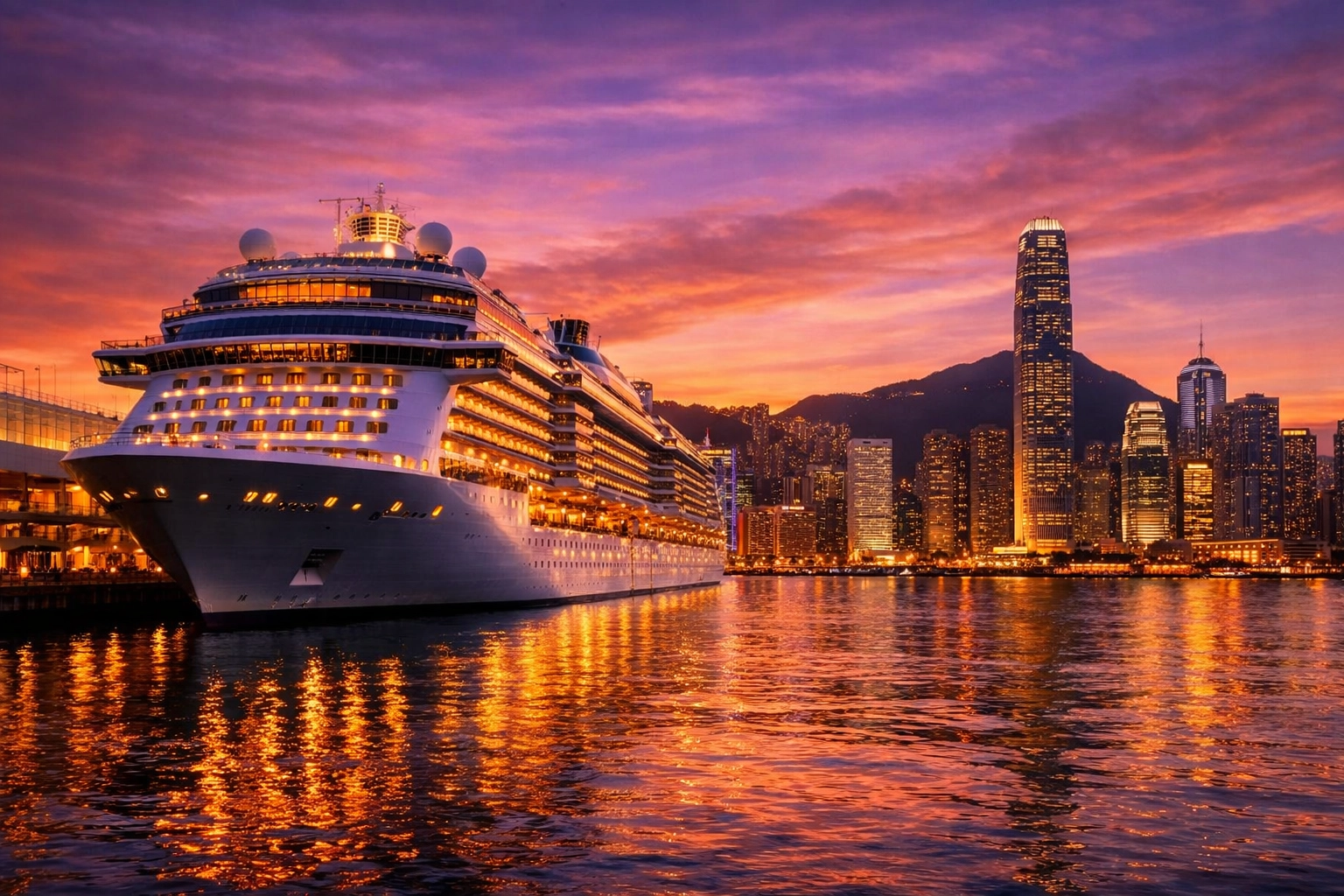
While these specific lines primarily serve the Asian market, they often act as a "canary in the coal mine" for global trends. When one line successfully implements a fee to offset rising operational costs, others tend to watch closely.
Decoding the Fine Print: Does Your Favorite Line Have a Surcharge Clause?
You might be thinking, "I cruise with Carnival" or "I only sail Royal Caribbean: they would never do that." The reality is a bit more complicated. Almost every major cruise line has a "Fuel Supplement" or "Surcharge" clause buried in the Terms and Conditions you agree to when you book.
These clauses typically allow the cruise line to reinstate a daily fee if the price of oil (usually West Texas Intermediate) exceeds a certain threshold. Here is a quick look at the "Trigger Prices" for some of the biggest players in the game:
Carnival Cruise Line: Reserves the right to charge up to $9 per person, per day, if oil hits $70/barrel.
Norwegian Cruise Line: Can charge up to $10 per person, per day, if oil exceeds $65/barrel.
Royal Caribbean & Celebrity: Have clauses allowing for $10 per person, per day, based on similar $65/barrel thresholds.
Princess Cruises: Maintains the right to reinstate a supplement if oil reaches $70/barrel.
Currently, global oil prices are hovering right near these trigger points due to ongoing geopolitical tensions and supply chain complexities. While most North American lines haven't pulled the trigger yet, the infrastructure to do so is already legally in place in your cruise contract.
Why the Sudden Spike? The Economic Reality
It is easy to get frustrated with cruise lines for adding more fees, but it helps to understand the "why." A modern cruise ship is essentially a floating city that requires an immense amount of energy to operate. When the cost of marine fuel spikes due to global conflicts or economic shifts, the daily operating cost of a ship can increase by hundreds of thousands of dollars.
For the cruise lines, these surcharges are a way to manage volatility without constantly changing the "base fare" of the cruise. However, for you, the passenger, it feels like an unwelcome surprise at the end of your vacation.
A History Lesson: Can They Charge You After You’ve Paid?
This is the question every cruiser wants answered. In 2008, when oil prices skyrocketed, several cruise lines tried to add fuel surcharges to passengers who had already paid in full. This led to a massive backlash and legal intervention.
Specifically, the Florida Attorney General’s office stepped in, leading to settlements where cruise lines agreed they could not retroactively charge passengers who were already "Paid in Full."
The General Rule of Thumb for 2026:
If you are fully paid: You are generally protected from retroactive surcharges under most consumer protection standards.
If you have only paid a deposit: You are more vulnerable. The cruise line may be able to add the surcharge to your final balance before you make that last payment.
New Bookings: These will almost certainly include any active surcharges in the total price or as a clearly labeled add-on.
Always check your specific guest ticket contract. If you aren't sure where to find it or how to read it, this is where having a dedicated travel partner makes a world of difference. We recommend booking through experts like Trips That Rock who can help you navigate these tricky waters and advocate for you if unexpected fees appear.
Smart Strategies to Neutralize New Costs
Don't let the threat of a surcharge keep you on land. There are plenty of ways to offset these potential costs by being a smarter traveler.
1. Leverage Group Cruise Deals
The best way to combat rising costs is to start with a lower price point. At ROCKIN' the BOAT, we specialize in building a community that gets more value. By joining one of our group cruises, you often get access to locked-in rates and extra perks like onboard credit that can easily cover the cost of a potential fuel fee.
2. Save on Shore Excursions
If the cruise line is taking an extra $10 a day for fuel, take that $10 back by booking your excursions independently. You can find incredible, high-quality tours for a fraction of the "ship price" by using GetYourGuide. This allows you to control your budget while still having an epic time in port.

3. Check for "All-In" Promotions
Some lines, like Virgin Voyages, traditionally do not charge fuel supplements or have more transparent pricing models. Keep an eye out for "Free at Sea" or "Princess Plus" style packages where the value of the inclusions (Wi-Fi, drinks, tips) far outweighs the risk of a small fuel fee.

Final Thoughts: Don't Panic, Just Prepare
The headlines about fuel surcharges can be scary, but it is important to keep things in perspective. Even at $10 a day, a cruise remains one of the best values in the travel industry when you consider that your lodging, food, and entertainment are all bundled together.
The key is to stay informed. Check your email for updates from your cruise line, keep an eye on your final payment date, and always look for ways to maximize your value through group cruise deals.
The world is still waiting to be explored, and a little extra "gas money" for the ship isn't going to keep this community from reaching the next horizon. If you have questions about your upcoming booking or want to join a group where we keep these costs in check, head over to ROCKIN' the BOAT and let's get you set up.
Keep Rockin' The Boat! 🤘🚢
Comments